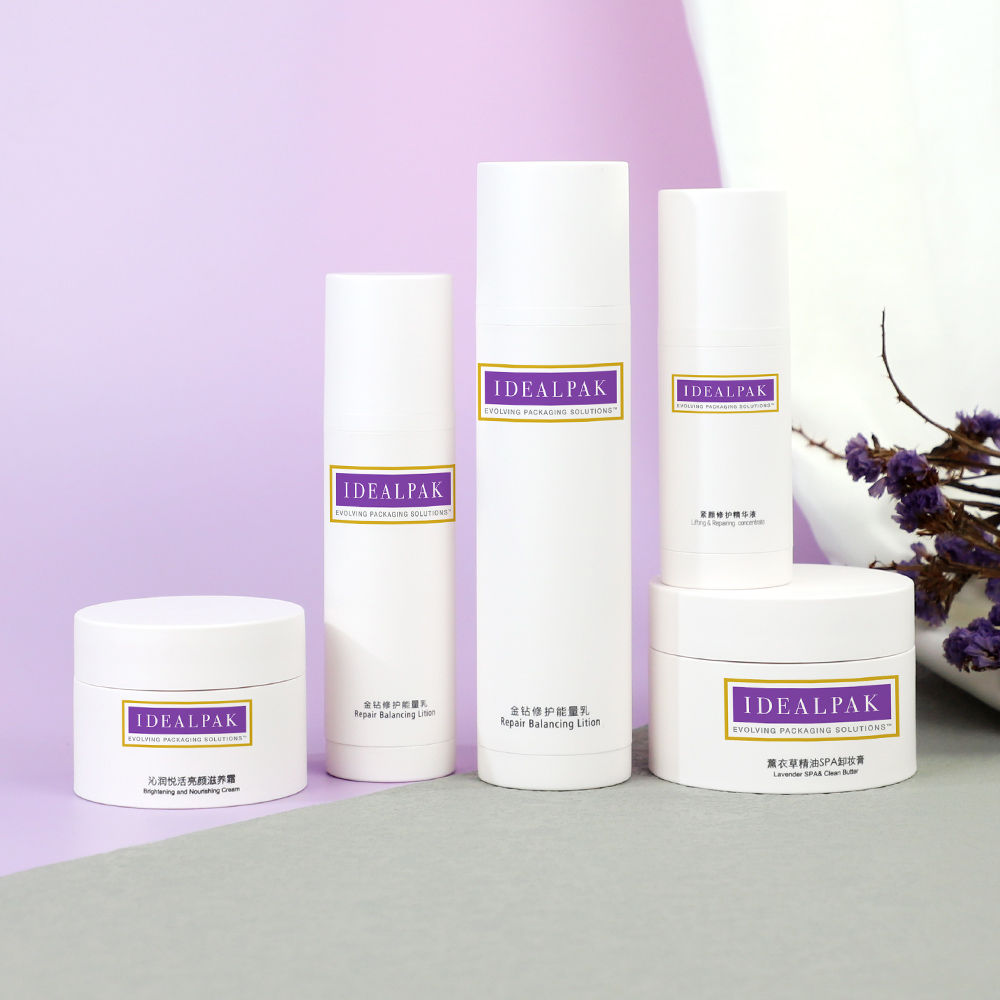
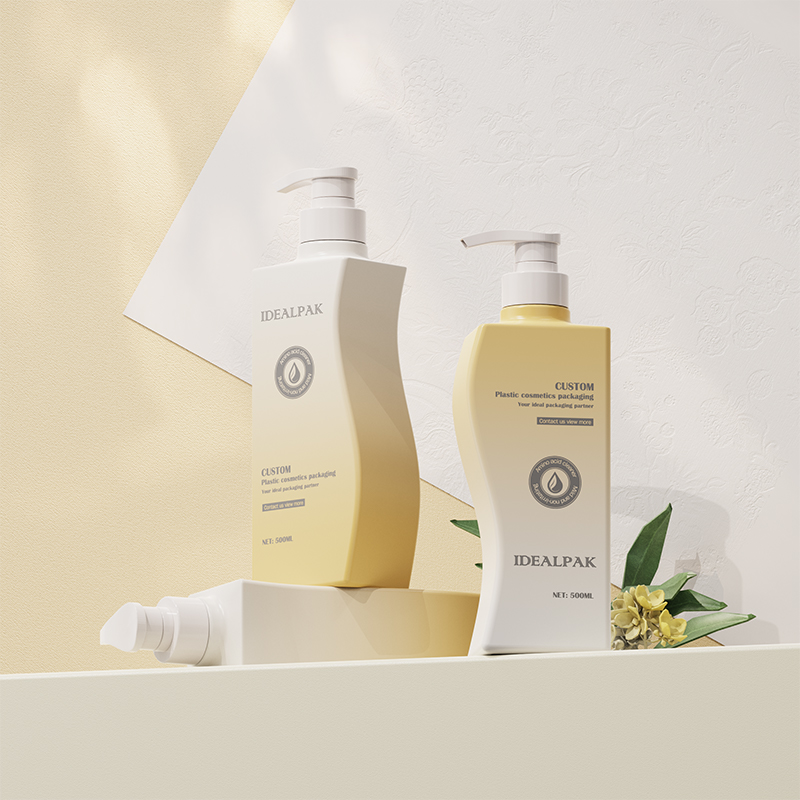
In the realm of Cosmetics Packaging Design, series packaging design serves as the critical bridge between brand strategy and market performance. Once brand positioning is clearly defined, how can it be translated into concrete and market-competitive product imagery? The key lies in entering the tactical execution phase of Cosmetics Packaging Design. This article focuses on two highly practical design steps: the systematic principles of series packaging design and the classification of cosmetic container shapes. Mastering these principles can help brands effectively manage their product lines, reinforce product personality through refined shape design, and ultimately achieve efficient visual communication and purchase conversion at the point of sale.
Step 2: Select Shape Designs That Align with Your Cosmetics Packaging Design
The shape of cosmetics container design is the ultimate expression of a product’s personality and texture. Based on the complexity of surface decoration and craftsmanship, shape design can be primarily categorized into the following three types:
Simple & Streamlined Type: Timeless Classics
This type of container design pursues minimalist aesthetics, featuring clean, flowing lines, often combining simple geometric forms or soft curves with smooth surfaces and minimal decoration. Due to its classic shape design, relatively lower mold costs, and high production stability, it occupies the largest share of the cosmetics packaging market. It relies on materials and craftsmanship to convey quality, offering wide applicability and perfectly serving various brand positioning levels, from mass-market to affordable luxury.
Moderate Variation Type: Balancing Simplicity and Uniqueness
This is a shape design that builds on simplicity with moderate innovation. It might add an elegant waistline to the bottle, a refined brand symbol embossing, or incorporate mixed materials (e.g., metal caps, matte textures). This cosmetics container design significantly enhances the product’s sense of detail and exclusivity without drastically increasing process difficulty, making it a common strategy for mid-to-high-end brands to create differentiated exterior packaging.
Complex & Ornamental Type: Exemplary Craftsmanship Signifying Luxury
This design is the hallmark of high-end cosmetics packaging, typically reserved for a brand’s top-tier lines or limited editions. Its shape design is extremely complex, possibly involving multi-level relief, hollow carvings, or hand-inlaid embellishments. Every curve and decoration is meticulously crafted, making the container itself a work of art. This packaging design, with its high cost and low output,极致ly conveys the brand’s luxury positioning and exceptional value.
Step 1: Define Your Series Rules in Cosmetics Packaging Design
As a brand’s product line expands, a set of logically rigorous series packaging design rules is key to maintaining brand visual order and enhancing overall recognition. It helps consumers quickly identify and understand product relationships amid numerous choices. Here are three efficient and classic series packaging design methods:
1.Unified Shape, Varied Colors:
This is the most fundamental series packaging design rule. Different products within the same series (e.g., day cream/night cream, different lipstick shades) use identical container shapes, distinguished only by the color of the bottle, cap, or product itself. The rule is clear, production costs are controllable, and consumers can easily identify and match products.

2.Unified Base, Varied Elements:
While maintaining consistent container shape, size, and primary color, differentiate products by function or ingredient through patterns, icons, or accent colors on the label. For example, a botanical extract series might use unified minimalist bottles but distinguish them with illustrations of rose, tea tree, or calendula. This packaging design strategy offers variation within unity, appearing professional and refined.

3.Complementary Container Shapes, Strengthening Product Combinations:
For products intended to be used together (e.g., shampoo and conditioner, serum and moisturizer), complementary container shapes that fit together or echo each other’s forms can be employed. This ingenious shape design not only intuitively suggests product pairing but also promotes bundled sales, enhancing the fun and completeness of the shopping experience.
Conclusion: Building a Strong Product Visual System Through Systematic Design
Successful cosmetics packaging design is a combination of strategy and tactics. By establishing scientific series packaging design rules, brands can construct a clear and powerful visual matrix for their product range. By selecting shape design types that precisely match their brand positioning, they can endow products with unique personality and tactile appeal. Systematically executing these two steps allows brands to build a complete packaging design system—from macro to micro—that is truly competitive in the market and deeply resonates with consumers, turning every product into an excellent storyteller for the brand.
By systematically implementing the two major steps outlined above, your brand will establish a complete and highly effective cosmetics packaging design system. To further strengthen the strategic foundation of your design approach, we recommend delving into our dedicated article on brand positioning and packaging design: Cosmetics Packaging Design: 5 Essential Brand Positioning Strategies. This article will help you plan a more market-competitive packaging strategy from the ground up.