
5 Types of Shampoo Bottle Caps You Should Know
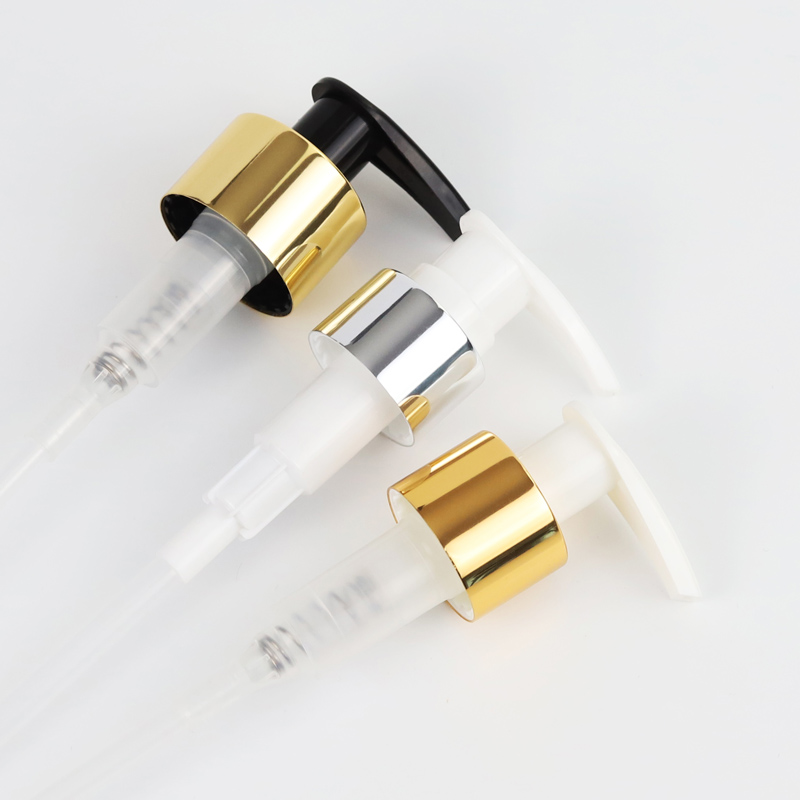
Discover the 5 common types of shampoo bottle caps, their functions, materials, and design considerations to enhance your shampoo packaging solutions.
Environmental Impact of Plastic Cosmetic Jars: 3 Lifecycle Stages from PET, PP to Biodegradable Materials
This article deeply explores the environmental impact of plastic cosmetic jars, analyzing the application value of PET and PP recyclable materials, and revealing how biodegradable plastics and consumer recycling behaviors can jointly reduce the ecological footprint of beauty packaging, providing a decision-making reference for sustainable packaging.
Deodorant Stick Packaging: 5 Design Innovations Leading the Solid Beauty Revolution
As the beauty industry shifts toward waterless formulas and sustainability, Deodorant Stick Packaging has emerged as a high-growth format for 2026. This article reveals 5 trends reshaping the industry, analyzing how IDEALPAK uses innovative Deodorant Stick Packaging design to enhance portability while helping brands achieve carbon neutrality and premium aesthetic value.
Airless Cosmetic Bottles: 4 Core Advantages for Ending Waste and Oxidation—Why High-End Skincare Prefers Them
As consumer demand for product freshness and hygiene rises, Airless Cosmetic Bottles have become the industry’s preferred packaging solution. This article provides a deep dive into the unique mechanism of airless packaging, exploring how it eliminates traditional dip tubes and uses internal piston systems to block air pollution, prevent ingredient oxidation, and provide a truly “zero-waste” experience for consumers.
Cosmetic Packaging Design: 5 Key Strategies to Capture the Attention of Gen Z
This article explores how cosmetic packaging design can effectively capture the attention of Gen Z consumers (ages 12-19). It identifies five key strategies for creating packaging that resonates with this demographic: vibrant colors and graphics that create immediate visual impact; affordable yet quality materials like lightweight plastics that balance cost and appeal; social media-friendly features designed to be “photogenic” and shareable; authentic typography and copywriting that speaks their language; and inclusive, gender-neutral design that reflects diverse identities. The article emphasizes that successful cosmetic packaging design must be fun, authentic, shareable, and affordable to become part of young consumers’ self-expression and earn their brand loyalty.
PCR Materials and Sugarcane Bioplastics: 2 Major Sustainable Material Innovation Paths in Sunscreen Bottle Design
This article systematically compares the application performance of PCR materials and sugarcane bioplastics in sunscreen bottle design, deeply analyzing the performance differences, environmental value, and cost-effectiveness of these two sustainable plastics, providing brands with scientific green material selection strategies.
3 Core Elements of Sunscreen Bottle Design: HDPE Plastic, PET Plastic, and Ergonomic Structure
This article deeply analyzes the three core pillars of sunscreen bottle design, focusing on the material performance comparison between HDPE plastic and PET plastic, and how ergonomic structures enhance user experience, providing professional guidance for brands to create sunscreen packaging that combines protection with comfort.
Cosmetic Plastic Packaging -6 Ultimate Guides to Winning over Generation Z Consumers
This article presents six essential guides for using cosmetic plastic packaging to connect with Generation Z consumers (ages 12-19). It explores how this demographic—digital natives shaped by social media—values self-expression, authenticity, and environmental responsibility. The guides cover: understanding teen beauty consumers’ psychology; implementing playful design through color, graphics, and copywriting; selecting affordable materials like lightweight plastics and mini sizes; applying color, font, and graphic psychology for instant communication; designing social media-friendly packaging “born for the camera”; and embracing inclusivity through gender-neutral design. The article concludes that successful cosmetic plastic packaging must be colorful, fun, shareable, inclusive, authentic, and affordable to form emotional bonds with young consumers and build brand loyalty.
Cosmetics Packaging Design: 5 Essential Brand Positioning Strategies
This comprehensive article delves into how five core brand positioning strategies fundamentally shape the direction and execution of Cosmetics Packaging Design. Exploring a spectrum from luxury and high-end to youthful and vibrant aesthetics, we analyze the distinct design principles, material selections, and visual languages that define each market position. Learn how strategic Cosmetics Packaging Design, rooted in clear brand positioning, enables your products to achieve standout shelf presence, communicate precise brand narratives, and connect deeply with target consumers in a competitive marketplace.
Cosmetics Packaging Design: 2 Key Steps to Master Series Packaging Design & Product Unity
This article provides a focused guide to the essential phases of Cosmetics Packaging Design. We break down the two foundational steps: first, establishing coherent series packaging design rules to ensure visual consistency across your product line; second, strategically selecting container shapes that embody your brand’s identity. By mastering this systematic approach, you will learn how to construct a powerful, unified visual system for your products. This methodology not only strengthens brand recognition but also drives tangible results by enhancing shelf impact and boosting sales performance in a competitive marketplace.