
Sunscreen bottle design is far more than just containing SPF formulas—it serves as a silent salesperson on the hot July shelves and a critical touchpoint for brands to earn consumer trust. In the fiercely competitive sunscreen market, an excellent sunscreen bottle design must excel in three core elements—material selection between HDPE plastic and PET plastic, ergonomic structure, and dispensing mechanisms—to protect products while conveying brand value and building user loyalty.
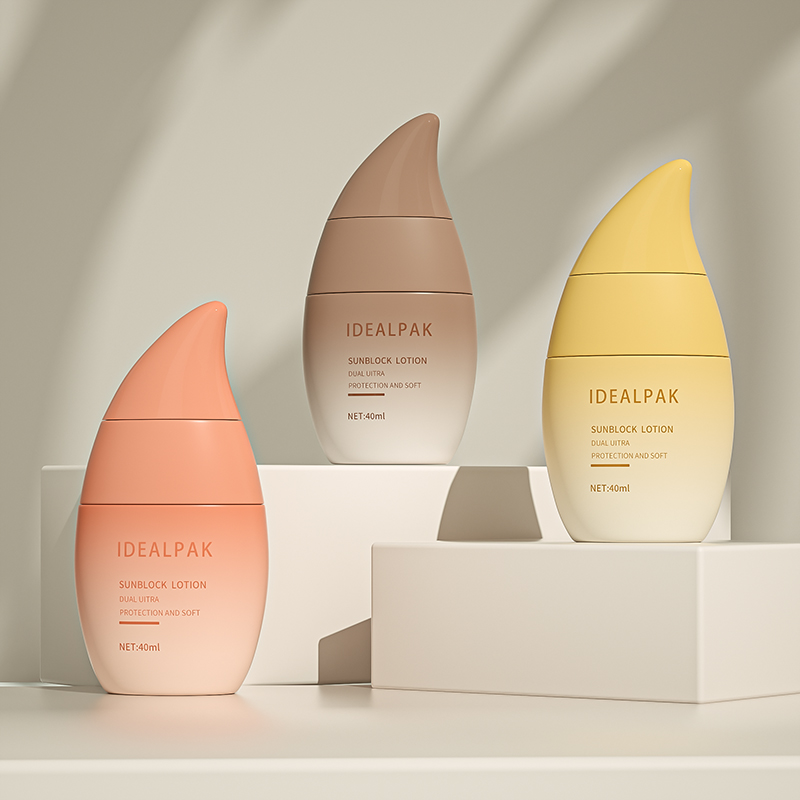
Ergonomic Structure: Injection Molding and Comfortable Grip in Sunscreen Bottle Design
Excellent sunscreen bottle design must consider user experience in wet and slippery environments. Through injection molding technology, designers can precisely plan grip curves, thumb grooves, and anti-slip textures to ensure the bottle remains stable even in sand-covered, sunscreen-slicked hands.
Key Elements of Ergonomic Design:
Grip Enhancement: Textured panels reduce slipping in wet conditions; curved edges improve user comfort
Stability Features: Wider bases support upright storage; balanced weight improves squeezing control
Outdoor Reliability: Custom molds reduce panel stress; reinforced shoulders prevent cracking
In sunscreen bottle design, comfort is not an extra feature—it is essential for survival in sandy and slippery environments. Well-designed bottle contours enable easier squeezing, stable base support, and portable sizing. Quality control through precision cavity manufacturing and wall thickness balance ensures consistent grip experience across every batch.
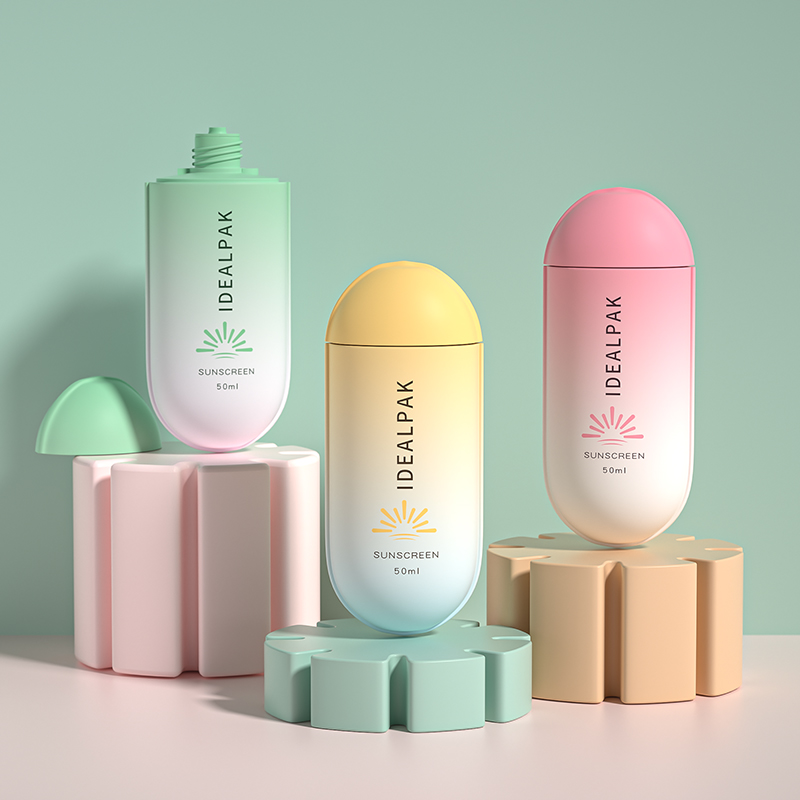
Dispensing Mechanisms and Surface Decoration: Balancing Functionality and Aesthetics in Sunscreen Bottle Design
In professional sunscreen bottle design, the chosen dispensing mechanism directly dictates how users apply the product. Pump dispensers offer precise dose control, a more hygienic application, and a premium feel, making them ideal for cream formulas that require exact amounts. Conversely, flip-top caps serve as an economical choice for daily-use scenarios due to their lower production cost, quick access, and easy-refill advantages. Essential functionality checkpoints for any sunscreen bottle design include viscosity matching, leak testing, and the integration of child-safety options.
Surface details are what define brand memorability. Screen printing on HDPE materials ensures direct ink adhesion, superior scratch resistance, and sharp logo lines; meanwhile, shrink sleeves enable 360° graphic storytelling and tamper-evident features, creating a striking shelf presence. To ensure a high-quality sunscreen bottle design, brands must conduct rigorous water immersion, UV exposure, and abrasion tests to guarantee that decorations remain durable even in extreme outdoor environments.
Superior packaging functionality ensures that a sunscreen bottle design remains practical without sacrificing its aesthetic appeal. Airless pump systems protect sensitive active ingredients from air contamination, while waterproof designs—utilizing sealed closures and precision-tight threads—minimize the risk of leakage. Ultimately, the goal of modern sunscreen bottle design is to achieve a seamless harmony between reliable protection and sophisticated visual identity.
