PCR Materials in Sunscreen Bottle Design: The Environmental Breakthrough of Post-Consumer Recycled Resin
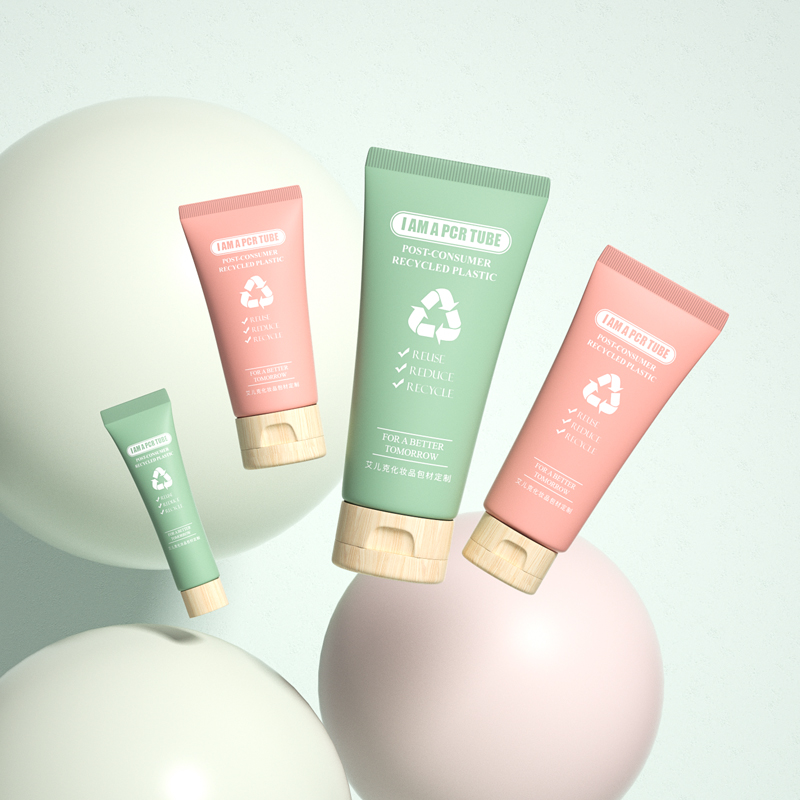
When planning more environmentally friendly sunscreen bottle design, PCR materials (Post-Consumer Recycled resin) have become the preferred choice for an increasing number of brands. These materials come from recycled content, supporting circular economy and reducing dependence on virgin resin.
Core Advantages of PCR Materials in Sunscreen Bottle Design:
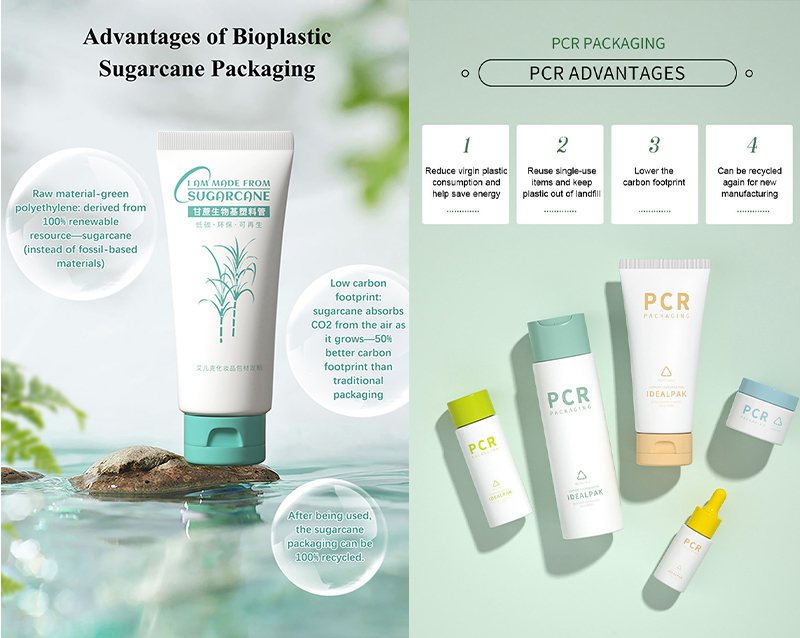
Recycled Content: Post-consumer resin supports circular economy, with options including ocean-bound plastic for compelling sustainability narratives
Strong Durability: Maintains structural integrity under high temperatures, ensuring product integrity during transport and use
Stable Chemical Resistance: Protects active ingredients with excellent compatibility with sunscreen formulations
Measurable Sustainability Metrics: Supports ESG goals with quantifiable environmental data
Lower Production Impact: Significantly reduces environmental footprint compared to virgin plastics
Sunscreen bottle design using PCR materials can directly appeal to environmentally conscious consumers, with stronger shelf storytelling and brand premium capabilities making it a powerful choice for the high-end market.
Sugarcane Bioplastics in Sunscreen Bottle Design: The Renewable Advantage of Plant-Based Materials
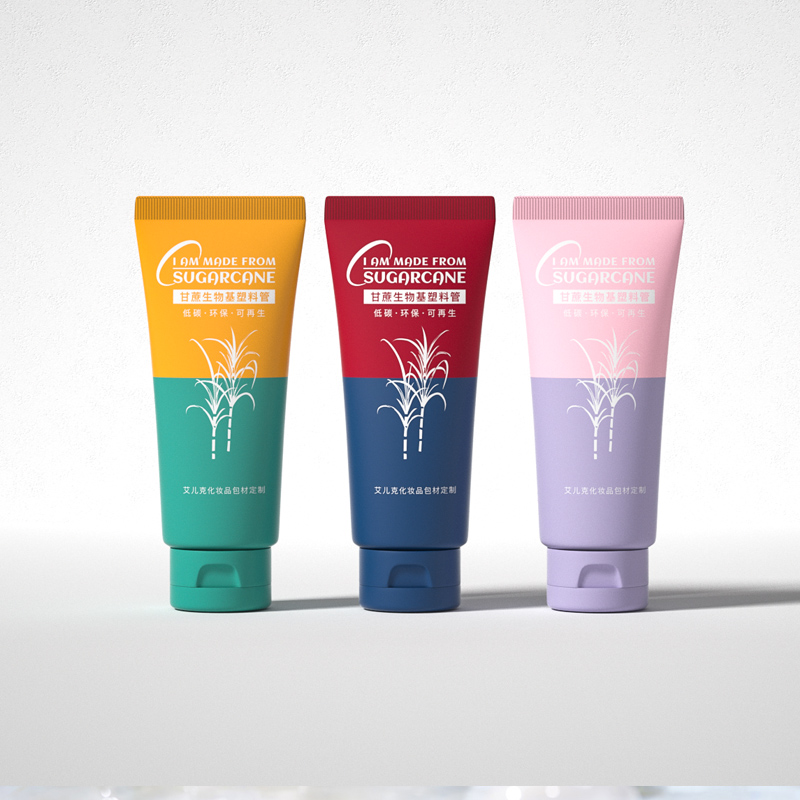
Sugarcane bioplastics represent another important direction in sustainable materials. These plant-based polymers, derived from renewable raw materials, significantly reduce carbon footprint while offering durability comparable to traditional plastics for daily beach use.
Core Characteristics of Sugarcane Bioplastics:
Renewable Raw Materials: Sugarcane extracts as feedstock, reducing dependence on fossil fuels
Carbon Footprint Reduction: Overall carbon emissions significantly lower than traditional plastics from raw material to production
Comparable Durability: Structural strength for daily beach use equivalent to traditional plastics
Biodegradability: Partially biodegradable under industrial conditions, offering end-of-life environmental options
For brands partnering with professional packaging suppliers, eco-focused sunscreen bottle design can achieve balance between aesthetics and responsibility, with sugarcane bioplastics providing a viable technical path to this balance.
PCR Materials vs. Sugarcane Bioplastics: Sustainable Material Selection Strategies in Sunscreen Bottle Design
Smart sunscreen bottle design doesn’t blindly favor a single material—it aligns the characteristics of PCR materials and sugarcane bioplastics with market goals, price points, and brand philosophy.
Decision Framework for Sustainable Material Selection:
Sustainability Narrative: PCR materials emphasize circular economy; sugarcane bioplastics highlight renewable resources
Cost Budget Considerations: Both materials command premiums over traditional plastics, with varying degrees
Formula Compatibility: Select materials with optimal compatibility based on sunscreen formulation chemistry
Sustainability Goal Alignment: Clarify brand ESG commitments and carbon reduction priorities
Recycling Infrastructure: Consider target market capabilities for processing different materials
By partnering with professional packaging suppliers, brands can optimize this selection, maintaining the environmental value of sunscreen bottle design while controlling costs and performance.